What Is LUFS? Loudness Units, Explained
LUFS (Loudness Units relative to Full Scale) measures how loud audio sounds to people, not just its peak level. Streaming, podcast and broadcast platforms set their targets in LUFS.

LUFS stands for Loudness Units relative to Full Scale. It measures how loud audio sounds, weighting frequencies the way human hearing does, rather than how high its peaks go. The measurement is defined in the ITU-R BS.1770 standard. One loudness unit (LU) is the same size as one decibel.
Why it matters
Two files can peak at the same level and sound very different in loudness. Platforms normalize everything to a target loudness, so a file mastered far above the target gets turned down, and one far below it sounds weak next to everything else.
The number that usually matters is integrated loudness: the average over the whole file.
Common targets
| Where it’s going | Target |
|---|---|
| Broadcast (EBU R128) | −23 LUFS |
| Podcasts (Apple’s recommendation) | −16 LUFS |
| Music streaming (Spotify’s normalization) | −14 LUFS |
Audiobooks for ACX/Audible use a different measure (RMS level between −23 and −18 dB, with peaks no higher than −3 dB).
Setting it in practice
Loudness tools measure the file and adjust its gain to hit a target. In Ampliflare Audio, the Enhance tool does this with presets for music streaming, podcasts, audiobooks and broadcast.
Read next
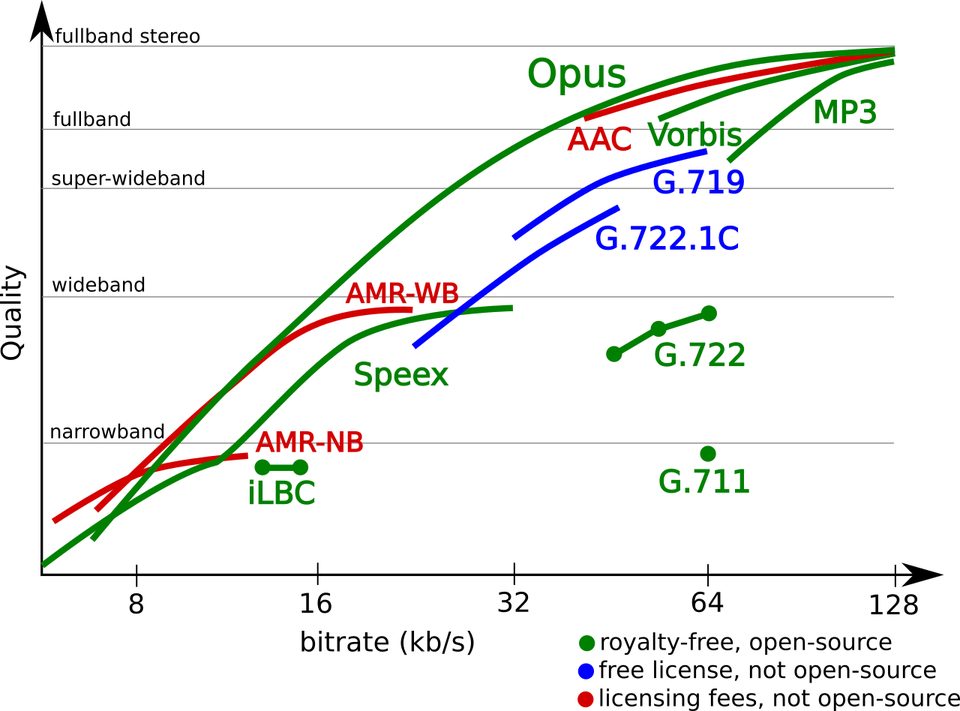 What Is an Opus File? The Audio Codec ExplainedOpus is an open audio format that sounds better than MP3 at the same file size. Here's what it is, where you'll meet it, and how to open and convert it.
 Best Sound Repair Software for Damaged RecordingsRepair recorded audio by matching the damage to the tool: steady hiss and hum, clicks and crackle, or clipped peaks. Four picks compared, free and paid, October 2026.
 Mic Enhancer Software: Make a Voice Recording Sound BetterMic enhancer software fixes what makes a recording sound cheap: it takes out noise and rumble, evens the level, and sets it for where it plays. Here is the whole job, offline.