 Ampliflare Audio Guide
 Mic Enhancer Software: Make a Voice Recording Sound Better
Mic enhancer software fixes what makes a recording sound cheap: it takes out noise and rumble, evens the level, and sets it for where it plays. Here is the whole job, offline.

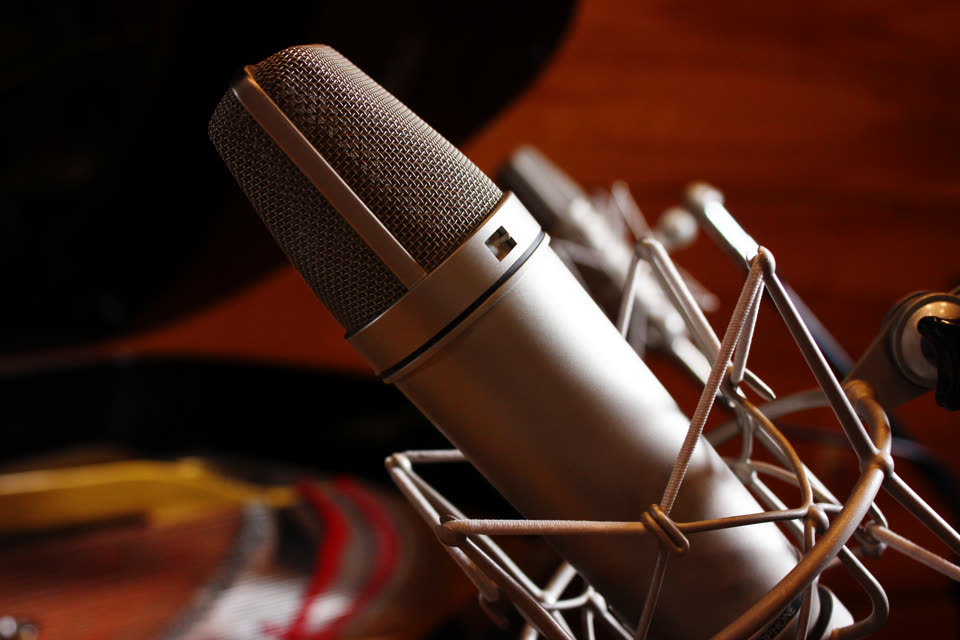
Mic enhancer software does not turn a cheap microphone into a studio one. It fixes the three things that usually make a recording sound cheap: the noise around the voice, a level that is too low or uneven, and the low rumble a desk and passing traffic add. All three are post-recording fixes, and you can run them on your own computer with nothing uploaded.
People reach for a “mic enhancer” when a call, a video or a podcast take sounds thin and noisy. The honest version is a short chain: remove the noise first, then even the level for where the audio is going, then convert it to the format the editor or platform wants. The complete guide to cleaning up spoken audio covers the whole job in depth; this guide is the everyday version for one recording.
The steps use Ampliflare Audio, which purplecandy makes. It runs a speech-trained model locally, works offline, and is free for personal use (up to 20 files a week). The controls below are from version 1.1.0.
What you need
- The recording in a common format: wav, mp3, m4a, flac, ogg, opus, AIFF and many more.
- Ampliflare Audio for macOS, Windows or Linux. It brings its own ffmpeg, so there is nothing else to install.
- A take to compare against, if you have one. Hearing the unedited version next to yours makes it easy to judge how far to go.
1. Install the app
Download the file for your computer from the Ampliflare Audio page.
- macOS: the builds are signed and notarized. Open the disk image and drag the app to Applications.
- Windows: run the setup file.
- Linux: one command installs it, no sudo needed:
curl -fsSL https://static.purplecandy.dev/ampliflare-audio/releases/latest/download/install.sh | bash2. Add the recording
Drop the files on the window, or click Open Files…. You can add a whole session at once; every tool except Cut and Split runs on the full list.
3. Remove the noise before you touch the level
Pick Remove noise in the sidebar (it’s first). The model is trained on human speech, so it keeps the voice and drops the steady sounds under it: a fan, mains hum, traffic, room tone. The Strength slider decides how much of the original room stays. Lower it and more of the room comes back.
Fix the noise before the level. Raise the volume first and you raise the noise along with the voice.
At the bottom, choose where the results go: next to the originals (the default) or a folder you pick. Then click Run. New files get the old name plus what was done, like mic-take-clean.wav. The background noise guide walks through this tool on its own.
4. Even out the level, and clear the rumble
A clean file can still be too quiet or uneven for where it plays. Run Enhance on the cleaned files and pick the destination: podcasts, audiobooks, music streaming or broadcast. It sets the loudness each one expects and drops the low rumble mics pick up from desks and traffic.
This is the part people mean by “enhance”: not adding detail the microphone never captured, but getting the level to where it should be. (What loudness means here: see LUFS.)
5. Check the result before you keep it
In 1.1.0 every file in the list has a play button and a seek bar, so you can hear the take before and after. The Activity button, at the right of the bottom bar, lists everything you made in the session, and each file still on disk can be played again.
Listen for two things: whether the background went quiet without the voice turning hollow, and whether the level sits next to a good recording. If the voice sounds robotic or underwater, lower Strength and run it again. Why noise reduction makes a voice sound robotic covers what to listen for.
6. Convert for where it is going
Convert writes mp3, wav, m4a, flac, ogg and opus, and 1.1.0 adds AIFF, CAF, AAC, WMA and more. Pick what the editor or platform expects: mp3 for most podcast hosts, m4a for audiobook apps, wav or flac for an archive.
When it won’t help
- Live calls, streams and meetings. Ampliflare Audio works on files after you record. It is not a live mic effect, so it will not fix your voice on a call. That needs an app sitting in the audio path in real time.
- A genuinely bad capture. Enhancement removes noise and sets the level. It cannot add detail the microphone never captured, so a muffled or thin mic stays muffled or thin. Better mic placement does more; the podcast recording checklist covers it.
- Clipping and distortion. If a loud peak was cut off while recording, noise removal cannot rebuild the waveform.
- Music. Remove noise is tuned for speech. On music it can take out more than you want.
Takeaways
- “Mic enhancer software” is three post-recording fixes: noise, level and low rumble.
- Clean the noise before you raise the level, or you raise the noise with it.
- Compare against the original, and back Strength off when the voice starts sounding robotic.
- Real-time voice chat is a different job. Ampliflare Audio works on recordings, offline.
Questions
Is mic enhancer software free?
Ampliflare Audio is free for personal use with every feature, up to 20 files a week. For client work or a paid channel, a license from $5 adds commercial use and removes the limit.
Can software make a cheap mic sound like a studio mic?
No. It removes noise and sets the level, which fixes most of what makes a cheap mic sound cheap. It cannot add detail the microphone never captured, so a muffled or thin mic stays muffled or thin.
Does mic enhancer software work in real time?
No. Ampliflare Audio works on files after you record, so it suits podcasts, voiceovers and videos, not live calls or streams.
Read next
 Best Sound Repair Software for Damaged RecordingsRepair recorded audio by matching the damage to the tool: steady hiss and hum, clicks and crackle, or clipped peaks. Four picks compared, free and paid, October 2026.
 Audio Leveler: How to Even Out a Recording's VolumeAn audio leveler matches a recording's loudness to where it plays: a podcast, audiobook, music streaming or broadcast. Here is the job, in Ampliflare Audio, offline.
 How to Reduce Breathing Sounds in a Microphone RecordingReduce breathing sounds in a voice recording: keep the mic off to the side, take out the room noise, and lower the breaths that are left. All offline, on your own computer.