 Ampliflare Audio 5 picks
 Best Mac Apps for Podcasters: 2026
Five Mac apps for podcasters compared: free starters GarageBand and Audacity, one-pass cleanup in Ampliflare Audio, and the full studios Logic Pro and REAPER.

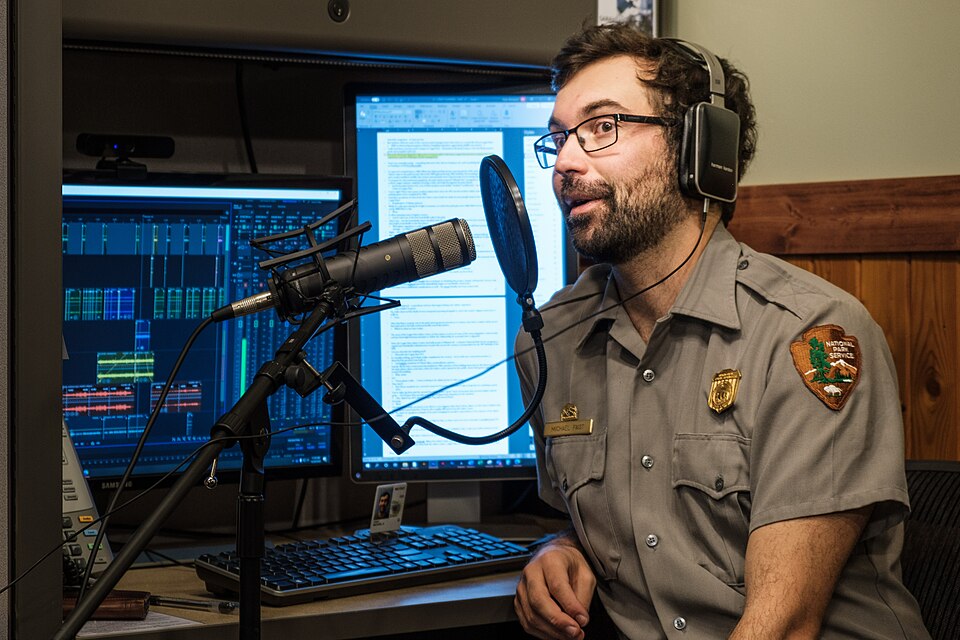
These are five ways to make a podcast on a Mac. They cover different jobs: recording and editing, cleaning up the audio, and finishing an episode to a loudness standard. All five run on a Mac, and all five work offline.
How these were picked
This October 2026 snapshot uses each maker’s own documentation and pricing page. It is a feature and pricing comparison, not a listening test. Prices and plans can change, so check the linked product pages before you buy.
The criteria that matter for a podcast: is there a usable free tier, how does noise removal work, can it handle several files at once, and does it run offline on the Mac?
Which one to choose
Start with Ampliflare Audio when you have recorded speech with background noise and want it cleaned and leveled in one pass, offline. The free personal tier covers 20 files a week; a license covers unlimited paid work. It is a cleanup and finishing tool, not an editor, so pair it with one of the editing apps below.
Use GarageBand when you want a free way to record and edit a show on a Mac. It comes with Apple, so there is nothing to install from elsewhere. The Noise Gate handles quiet passages, but for real noise removal you need another tool.
Use Audacity when you want a free editor with a proper noise-reduction effect. It needs a short noise-only sample to learn a profile, and macros let you repeat the same steps over a folder of episodes.
Use Logic Pro when you want one app for the whole studio: recording, editing, mixing and mastering. The Denoiser plug-in covers steady noise, and the Mastering Assistant sets loudness and tone. It costs the most of the five.
Use REAPER when you want a full workstation at a low one-time price. ReaFIR subtracts a captured noise profile, and the Batch File Converter handles many files. The 60-day evaluation is fully functional, so you can try the whole workflow before paying.
For the cleanup step in more detail, see the best offline noise removal apps, and for browser-based options, the voice noise removal apps list. If you are deciding between two cleanup tools, read Ampliflare Audio vs Auphonic. For the loudness target itself, what LUFS means explains the numbers, and the pre-publish checks cover what to run before you export. The full recording setup lives in the podcast recording checklist.
Ampliflare Audio
Best for one-pass cleanup and leveling of a whole episode
A speech-trained model on your Mac strips fans, hum, traffic and room noise from a recording, then levels, cuts, splits and converts the results in batches. Everything runs offline and nothing is uploaded.
- Free tier
- Personal use, 20 files a week
- Noise removal
- Yes, one pass
- Batch cleanup
- Yes, whole sessions
- Works offline
- Yes
Good
- One pass with a Strength slider, no noise sample to capture
- Cleans a whole session of files at once
- Loudness presets for podcasts, audiobooks, streaming and broadcast
- Works offline on Apple silicon and Intel Macs
Watch out for
- Tuned for speech, so it can take too much out of music
- No spectral repair for a single click or creak
Free for personal use (20 files a week); a one-time license for paid work, from $5 macOS, Windows, Linux Made by purplecandy
Visit Ampliflare AudioGarageBand
Best for a free start for recording and editing a show on a Mac
Apple's free multitrack recorder and editor. Record a voice track, add music beds and jingles, and cut the takes in one timeline. An included Noise Gate keeps silent passages clean.
- Free tier
- The whole app
- Noise removal
- Noise Gate only
- Batch cleanup
- No
- Works offline
- Yes
Good
- Free from Apple, no account needed
- Multitrack recording and editing in one app
- Plug-ins and effects built in, including a Noise Gate
Watch out for
- Noise handling is a gate, not a noise remover
- No batch cleanup for a folder of episodes
Free macOS, iPadOS
Visit GarageBandAudacity
Best for free hands-on editing with a real noise-reduction effect
An open-source editor whose Noise Reduction effect learns a profile from a short noise-only sample, then applies it to the recording. Macros apply the same steps to many files at once.
- Free tier
- The whole app
- Noise removal
- Yes, Noise Reduction effect
- Batch cleanup
- Yes, macros
- Works offline
- Yes
Good
- Free and open source
- Noise Reduction effect with a learned profile
- Macros batch the same steps over several files
Watch out for
- Needs a clean noise-only sample first
- Profile-based reduction suits steady noise better than sudden sounds
Free Windows, macOS, Linux
Visit AudacityLogic Pro
Best for a full studio with mastering tools built in
Apple's professional DAW. It brings a complete recording and mixing workflow, a Denoiser plug-in for steady noise, and a Mastering Assistant that sets loudness and tone. Sold once for Mac, or inside the Apple Creator Studio subscription.
- Free tier
- 30-day Creator Studio trial
- Noise removal
- Yes, Denoiser plug-in
- Batch cleanup
- No
- Works offline
- Yes
Good
- Complete recording, editing and mixing
- Denoiser plug-in for background noise
- Mastering Assistant for loudness and tone
Watch out for
- Paid; a lot of studio to learn for one cleanup task
- No batch cleanup workflow by default
$199.99 one-time; Apple Creator Studio from $12.99/month macOS
Visit Logic ProREAPER
Best for a low-cost full DAW whose ReaFIR can subtract a noise profile
A complete digital audio workstation with a fully functional 60-day evaluation. ReaFIR subtracts a noise profile inside a track's effect chain, and a Batch File Converter processes many files at once.
- Free tier
- 60-day evaluation
- Noise removal
- Yes, ReaFIR
- Batch cleanup
- Yes, Batch File Converter
- Works offline
- Yes
Good
- Full recording, editing and mixing workflow
- ReaFIR can subtract a captured noise profile
- Batch File Converter processes several files
- Cheap one-time license
Watch out for
- Needs a noise-only sample and effect setup
- A full workstation is more to learn for a single cleanup
$60 discounted license; $225 commercial, after a 60-day evaluation Windows, macOS, Linux
Visit REAPERSide by side
| Aspect | Ampliflare Audio | GarageBand | Audacity | Logic Pro | REAPER |
|---|---|---|---|---|---|
| Best for | one-pass cleanup and leveling of a whole episode | a free start for recording and editing a show on a Mac | free hands-on editing with a real noise-reduction effect | a full studio with mastering tools built in | a low-cost full DAW whose ReaFIR can subtract a noise profile |
| Price | Free for personal use (20 files a week); a one-time license for paid work, from $5 | Free | Free | $199.99 one-time; Apple Creator Studio from $12.99/month | $60 discounted license; $225 commercial, after a 60-day evaluation |
| Platforms | macOS, Windows, Linux | macOS, iPadOS | Windows, macOS, Linux | macOS | Windows, macOS, Linux |
| Free tier | Personal use, 20 files a week | The whole app | The whole app | 30-day Creator Studio trial | 60-day evaluation |
| Noise removal | Yes, one pass | Noise Gate only | Yes, Noise Reduction effect | Yes, Denoiser plug-in | Yes, ReaFIR |
| Batch cleanup | Yes, whole sessions | No | Yes, macros | No | Yes, Batch File Converter |
| Works offline | Yes | Yes | Yes | Yes | Yes |
Questions
Do I need a paid app to make a podcast on a Mac?
No. GarageBand and Audacity are free and cover recording, editing and basic cleanup. Paid apps add depth: Logic Pro and REAPER are full studios, and Ampliflare Audio adds one-pass noise removal and loudness presets.
Which Mac app is best for removing background noise from a podcast?
For a whole session of speech files, Ampliflare Audio cleans them in one pass with a Strength slider. Audacity and REAPER need a noise-only sample, and Logic Pro has a Denoiser plug-in. GarageBand only has a noise gate.
Do these podcast apps work offline on a Mac?
Yes. All five run locally. Ampliflare Audio is built for offline cleanup, and nothing is uploaded during processing.
Read next
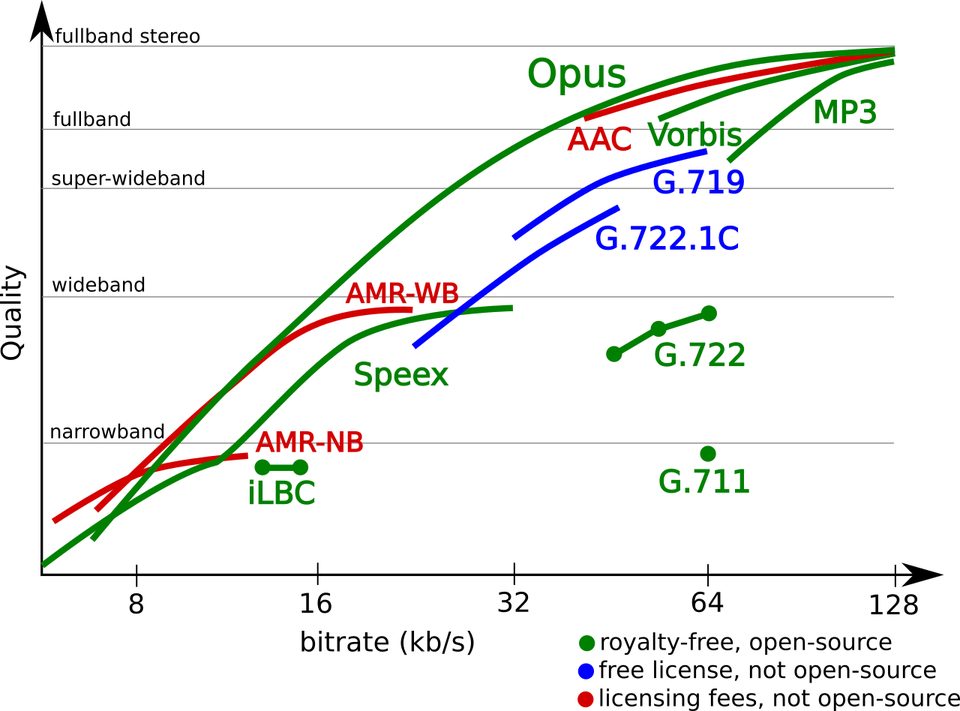 What Is an Opus File? The Audio Codec ExplainedOpus is an open audio format that sounds better than MP3 at the same file size. Here's what it is, where you'll meet it, and how to open and convert it.
 Best Sound Repair Software for Damaged RecordingsRepair recorded audio by matching the damage to the tool: steady hiss and hum, clicks and crackle, or clipped peaks. Four picks compared, free and paid, October 2026.
 Mic Enhancer Software: Make a Voice Recording Sound BetterMic enhancer software fixes what makes a recording sound cheap: it takes out noise and rumble, evens the level, and sets it for where it plays. Here is the whole job, offline.